


What Fabric Are Conference Hall Seats Made Of?
Conference halls, theaters, cinemas, seminar rooms, and meeting spaces require seating designed for long-term and intensive use. Therefore, when choosing conference hall seats, the fabric is just as important as the ergonomics and overall design of the chair. So, what fabric are conference hall seats made of, and how should the right fabric be selected?
What Fabrics Are Used for Conference Hall Seats?
Conference hall seats are generally upholstered with durable, easy-to-clean fabrics designed to withstand frequent use. The intended purpose of the venue, visitor traffic, cleaning requirements, and interior design should all be considered when selecting the appropriate fabric.
1. Polyester Fabric
Polyester is one of the most commonly preferred fabrics for conference hall seats. Its durability against frequent use, wide range of color options, and easy maintenance make polyester upholstery a practical choice.
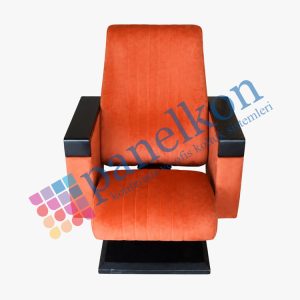
For conference halls that are used on a daily basis, high-abrasion-resistant polyester fabrics can provide a durable and long-lasting seating solution.
2. Velvet Fabric
Velvet is often preferred in theaters, opera houses, and prestigious conference halls because of its elegant and sophisticated appearance. Its soft texture and distinctive look can add a more luxurious character to the overall interior design.
However, when choosing velvet upholstery, cleaning and maintenance requirements should also be taken into consideration.
3. Acoustic and Technical Fabrics
In some conference halls, fabric is selected not only for comfort and appearance but also for its acoustic properties. Specially developed acoustic fabrics can contribute to sound absorption and help control reverberation within the space.
These fabrics can be particularly useful in professional conference halls, educational facilities, seminar rooms, and performance venues where acoustics are an important part of the overall interior design.
What Should You Consider When Choosing Conference Seat Fabric?
The first factor to consider is the intensity of use. In a conference hall used by hundreds of people every day, high-abrasion-resistant upholstery fabrics should be preferred.
The fabric’s ease of cleaning, stain resistance, color durability, and fire performance are also important considerations. In public buildings, cultural centers, universities, and large event venues, fabrics that comply with relevant fire safety standards should be selected.
It is also important to ensure that the fabric is compatible with the seat’s foam structure and upholstery system. A well-matched combination can contribute significantly to the durability and comfort of the conference chair.
The Right Fabric for Long-Lasting Conference Hall Seats
There is no single fabric that can be considered the ideal choice for every conference hall seat. The venue’s purpose, visitor traffic, cleaning requirements, acoustic needs, and interior design should all be evaluated together.
Durable and easy-to-maintain polyester fabrics are often suitable for high-traffic venues, while decorative fabrics such as velvet can be preferred for more prestigious spaces. For a professional project, evaluating the upholstery together with the chair’s ergonomics, foam structure, and mechanical components helps achieve a comfortable, durable, and long-lasting seating solution.
