


Conference Hall Chair Production for Tbilisi
Conference hall chair production for Tbilisi has become increasingly important as Georgia continues to invest in modern public venues, educational institutions, hotels, and corporate facilities. With the expansion of business centers, cultural venues, and government buildings, the demand for durable, ergonomic, and aesthetically refined auditorium seating systems has grown significantly.
Conference seating is not merely a furnishing component; it is a technical product that must comply with safety standards, acoustic planning, space optimization, and long-term performance expectations. For projects in Tbilisi, production quality and customization flexibility are decisive factors.
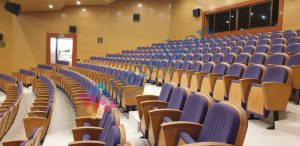
Understanding Project Requirements
Every conference hall project begins with a detailed needs assessment. Seating layout plans must align with architectural drawings, sightline calculations, and occupancy regulations. Key considerations include:
-
Seat width and row spacing
-
Writing tablet integration (if required)
-
Fixed or retractable systems
-
Fire-retardant material compliance
-
Acoustic contribution of upholstery
In Tbilisi’s expanding commercial and educational infrastructure, conference halls vary widely—from compact corporate meeting spaces to large-capacity auditoriums exceeding several hundred seats. This diversity requires adaptable production capabilities.
Materials Used in Conference Chair Manufacturing
High-quality conference hall chair production typically involves the following materials:
Metal Frame Construction:
Electrostatic powder-coated steel frames provide structural stability and long-term durability.
Molded Foam Seating:
Cold-molded polyurethane foam ensures ergonomic support and shape retention over extended use.
Wooden Armrests and Back Panels:
Often crafted from plywood or MDF with veneer finishing, offering both durability and visual warmth.
Fabric or Leather Upholstery:
Fire-resistant and abrasion-tested textiles are essential for public venues.
Material selection is based on project specifications, frequency of use, and maintenance expectations. In high-traffic venues across Tbilisi, durability and compliance with European fire safety standards are critical.
Production Process and Technical Precision
Conference hall chair production follows a structured manufacturing workflow:
-
CNC cutting of wooden and metal components
-
Welding and frame assembly
-
Foam molding and upholstery preparation
-
Surface finishing and powder coating
-
Final assembly and quality control
Dimensional precision is essential, particularly for tiered or sloped floor auditoriums. Mounting brackets and anchoring systems must align precisely with site measurements to ensure safe and uniform installation.
Customization is often required for branding elements such as fabric color, embroidery, logo integration, or unique armrest designs.
Installation and Site Coordination
Installation in Tbilisi projects typically occurs after flooring and acoustic wall treatments are completed. Proper anchoring to concrete or steel substructures is critical to ensure safety and longevity.
Professional installation teams conduct:
-
On-site measurement verification
-
Anchor bolt alignment
-
Row spacing confirmation
-
Final inspection for mechanical movement and folding mechanisms
A well-executed installation ensures optimal comfort, consistent alignment, and long-term reliability.
Advantages of Localized Production for Tbilisi Projects
Producing conference hall chairs specifically for Tbilisi projects provides several strategic advantages:
-
Faster lead times
-
Reduced transportation costs
-
Easier customization
-
On-site technical support availability
Moreover, collaboration between architects, contractors, and manufacturers during the design stage significantly reduces costly modifications during installation.
Conference hall chair production for Tbilisi requires technical expertise, precision manufacturing, and project-based customization. Whether for universities, corporate centers, cultural institutions, or government buildings, professionally manufactured auditorium seating systems enhance comfort, safety, and architectural integrity.
With careful material selection, advanced production technologies, and coordinated installation planning, conference seating solutions can meet both functional demands and aesthetic expectations in Georgia’s growing construction market.
