


Seminar Hall Chair Production Designing Comfort, Durability, and Functionality
Seminar Hall Chairs Enhancing Comfort, Acoustics, and Audience Engagement
Conference Chair Production for Bulgaria Quality Seating Solutions for Modern Venues
Seminar hall chair production is a specialized manufacturing process that focuses on creating seating solutions tailored to educational institutions, conference centers, corporate facilities, and public venues. As seminar halls are designed for long-duration use, the quality of seating plays a critical role in ensuring audience comfort, efficient space utilization, and long-term operational performance.
One of the most important aspects of seminar hall chair production is ergonomic design. Chairs must provide proper back support, suitable seat depth, and optimal cushioning to allow users to remain comfortable during extended seminars, lectures, or presentations. Manufacturers carefully select foam density, upholstery materials, and seating angles to minimize fatigue while maintaining a professional appearance. Ergonomic considerations not only enhance user satisfaction but also contribute to better concentration and engagement.
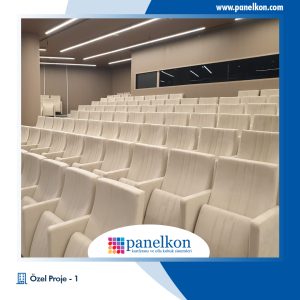
Durability is another key factor in the production process. Seminar hall chairs are typically used intensively and by large numbers of people. For this reason, high-quality metal frames, reinforced joints, and wear-resistant fabrics are essential components. Steel or aluminum structures are commonly used to ensure strength and stability, while powder-coated finishes protect against corrosion and scratches. These features help seminar hall chairs maintain their structural integrity and aesthetic appeal for many years.
Flexibility and functionality are also central to modern seminar hall chair production. Many designs incorporate foldable seats, writing tablets, cup holders, or armrest-mounted accessories to enhance usability. Fixed or floor-mounted seating systems are often preferred in large halls to ensure orderly arrangements and efficient evacuation paths. Custom row spacing and layout planning allow architects to maximize seating capacity without compromising comfort or safety regulations.
Acoustic performance is an often-overlooked but important element. Well-designed seminar hall chairs can contribute positively to the overall acoustics of the space by reducing noise caused by movement and seat operation. Quiet folding mechanisms and sound-absorbing upholstery materials support a more focused and professional seminar environment.
In addition, aesthetics and customization options play a significant role. Seminar hall chair production offers a wide variety of fabric colors, wood armrest finishes, and metal frame designs to match the interior concept of the venue. Branding elements such as embroidered logos or custom color schemes can be integrated to reflect institutional identity.
Sustainability has also become an important consideration in recent years. Many manufacturers now use recyclable materials and environmentally friendly production methods to meet global sustainability standards. This approach aligns well with the growing demand for green building certifications in educational and corporate projects.
