


Conference Hall Chair Design Combining Comfort, Acoustics, and Aesthetics
Conference Hall Chair Production for Qatar
Seminar Hall Chairs Enhancing Comfort, Acoustics, and Audience Engagement
Designing chairs for conference halls is a critical aspect of creating professional, functional, and comfortable environments. Conference hall chair design goes far beyond visual appeal; it directly affects user comfort, audience engagement, space efficiency, and even acoustic performance. Whether for corporate auditoriums, universities, government buildings, or international convention centers, well-designed seating contributes significantly to the overall success of an event.
Ergonomics and User Comfort
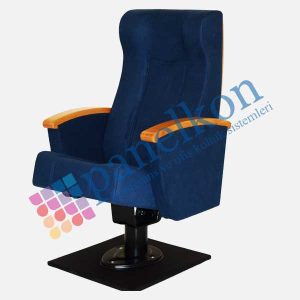
Ergonomics is the foundation of effective conference hall chair design. Conferences, seminars, and presentations often last for several hours, making long-term seating comfort essential. Chairs should support the natural posture of the body, particularly the lumbar region, to reduce fatigue and discomfort. High-density molded foam, anatomically shaped backrests, and properly angled seat pans are commonly used to enhance comfort without compromising durability.
Armrests, seat width, and back height must be carefully balanced to accommodate users of different body types while maintaining uniformity across seating rows. Foldable or tip-up seat mechanisms are also popular, as they improve circulation space when chairs are not in use.
Space Optimization and Layout Flexibility
Conference halls vary greatly in size and function, which makes space optimization a key consideration. Chair design should align with the hall’s layout, aisle spacing, and sightline requirements. Slim-profile chairs allow higher seating capacity without sacrificing comfort, making them ideal for large auditoriums and convention centers.
Modular conference hall chair designs offer flexibility for future reconfiguration. Fixed seating systems with floor-mounted rails are commonly preferred for permanent halls, while removable or retractable seating is suitable for multipurpose venues.
Materials, Durability, and Maintenance
Conference hall chairs are subject to heavy and frequent use, making material selection crucial. Steel or aluminum frames provide structural strength, while plywood or injection-molded shells ensure long-term stability. Upholstery fabrics are typically chosen for their fire resistance, abrasion resistance, and ease of cleaning.
High-quality materials not only extend product lifespan but also reduce maintenance costs over time. Stain-resistant fabrics and replaceable upholstery components are increasingly preferred by facility managers.
Aesthetic Design and Brand Identity
Visual harmony plays a significant role in conference hall chair design. Chairs should complement the interior architecture and reflect the institution’s brand identity. Color choices, fabric textures, and detailing can be customized to match corporate, academic, or cultural themes.
Modern conference halls often favor minimalist and contemporary chair designs, while classical auditoriums may opt for more traditional aesthetics. Custom branding options, such as embroidered logos or color-coded seating zones, further enhance the visual impact.
Acoustic Performance and Technology Integration
Well-designed chairs contribute positively to acoustic performance by reducing noise caused by movement and seat operation. Silent tip-up mechanisms and sound-absorbing upholstery materials help maintain a professional environment.
Additionally, modern conference hall chairs can be integrated with technology, including writing tablets, power outlets, USB charging ports, and translation systems. These features improve user experience and support today’s digital conference requirements.
Conference hall chair design is a strategic investment that influences comfort, functionality, and visual appeal. By focusing on ergonomics, durability, space efficiency, aesthetics, and technology integration, venues can create seating solutions that meet both current needs and future demands.
