


How Much Does a Conference Hall Chair Production Cost in Libya?
Crafting Comfort: Exploring the World of Wholesale Seating Manufacturing in Turkey
Conference Hall Chair Manufacturing in Turkey
Understanding the production cost of conference hall chairs in Libya requires a nuanced look at local manufacturing dynamics, material sourcing, labor costs, and industry structure. Unlike established furniture markets in Europe or East Asia, the Libyan manufacturing sector remains comparatively nascent, with limited large-scale industrial capacity for finished furniture production. This context influences both cost structure and pricing strategies for locally produced seating solutions. So How Much Does a Conference Hall Chair Production Cost in Libya?
Libya’s Manufacturing Environment
Libya’s manufacturing industry has historically been focused on traditional production methods and relatively limited industrial output outside hydrocarbons. Recent developments show gradual modernization in certain segments, but challenges such as limited access to affordable raw materials and skilled labor persist. These structural factors tend to increase manufacturing costs compared with more industrialized markets.
Furniture products in Libya — including chairs — are frequently imported rather than fully manufactured domestically due to the under-developed local furniture supply chain and raw material scarcity. As a result, production cost estimates often blend local fabrication with imported components or finished goods.
Main Cost Components of Conference Chair Production
To estimate how much it costs to produce a conference hall chair in Libya, it is useful to break down the typical cost components:
Raw Materials:
Frame Materials: Steel, aluminum, or hardwood for the frame. Local steel may be sourced through Libyan producers like the Libyan Iron and Steel Company, but quality and supply limitations can push manufacturers toward imported steel or metal profiles, which increases cost.
Seat and Back Materials: Foam, upholstery fabric, or leather. These are often imported given limited domestic textile and foam production, leading to fluctuation based on currency rates and global supply costs.
Hardware: Screws, welding wire, brackets, and finishing components, many of which are usually procured from overseas suppliers.
Labor Costs:
Labor cost in Libya varies by region and skill level. Crafting seat frames, welding metal components, and upholstery require specialized labor. Local workshops may offer competitive wages relative to developed economies, but the limited availability of skilled workers can raise per-unit costs due to slower production rates and quality control needs.Manufacturing Overheads:
Electricity and Utilities: Industrial manufacturing in Libya often entails higher operational costs due to infrastructure limitations.
Facility and Equipment Depreciation: Machinery maintenance and amortization of production equipment also add to per-unit costs.
Import Duties and Logistics (if parts are imported):
Given Libya’s furniture trade patterns, components or finished goods often enter through import, adding logistics, customs duties, and handling costs.
Estimated Production Cost Ranges
Given the variability in materials, production setup, and sourcing strategy, a precise cost per chair can vary significantly. Based on furniture import price bands and local cost influences:
Basic Conference Chair (metal frame, standard fabric): Estimated at USD 50–120 per unit when produced with some locally fabricated elements and imported materials.
Mid-Range Conference Chairs (enhanced ergonomics, better upholstery): Estimated at USD 120–200 per unit, reflecting higher-grade upholstery, foam, and possibly partial importation of key components.
Premium or Custom Chairs (high-end finishes or acoustic/comfort features): USD 200+ per unit, particularly where specialized upholstery, ergonomic design, and imported hardware are involved.
These ranges are illustrative; actual production costs in Libya will depend on supplier contracts, volume, labor rates, and import tariffs. Direct local production without imported materials may lower cost per unit but is constrained by material availability.
Key Factors Influencing Production Cost
Scale of Production: Larger batches reduce unit costs through economies of scale.
Material Source: Sourcing domestically versus importing big-ticket components affects total cost.
Design Complexity: Ergonomic and durable designs require more labor and material investment.
Market Demand: Fluctuations in local furniture demand and competition from imported chairs influence pricing and production decisions.
How Much Does a Conference Hall Chair Production Cost in Libya?
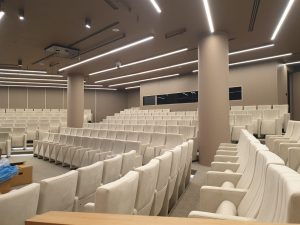
Estimating the production cost of conference hall chairs in Libya involves balancing material costs, labor, overhead, and import dynamics. Given the current market and manufacturing environment, locally produced chairs typically cost between USD 50 and USD 200+ per chair depending on quality and scale. Companies considering entry into this segment should conduct detailed local cost assessments and supply chain analyses to optimize pricing and production strategies.
