


In-Demand Conference Chair Price
Conference Hall Chair Manufacturers
Conference Hall Seats Production for Libya Quality, Capacity, and Regional Requirements
Selecting the right conference chair is a critical decision for any organization aiming to create a functional, comfortable, and professional meeting environment. As modern workplaces evolve, the demand for ergonomic, stylish, and durable conference seating has increased significantly. Consequently, understanding the price range of in-demand conference chairs has become essential for businesses, institutions, and event venues seeking long-term value. This article provides a detailed overview of conference chair pricing, what drives cost variations, and how decision makers can choose the most suitable model for their space.
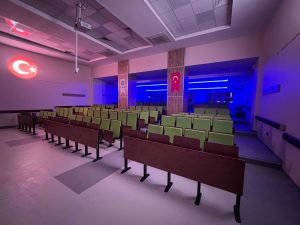
The price of a conference chair varies widely based on design, materials, ergonomics, and manufacturing quality. Entry-level models generally range from basic polypropylene or metal-frame chairs starting at lower price points. These options are preferred for large conference halls, training rooms, or multi-purpose spaces where quantity matters more than advanced features. Although budget-friendly, they still offer acceptable durability and comfort for short meetings or occasional use.
Mid-range conference chairs typically appeal to businesses seeking a balance between comfort and professional aesthetics. These chairs often feature cushioned seats, fabric or eco-leather upholstery, and improved back support. In-demand models in this category usually fall into a moderate price range, making them suitable for boardrooms, executive meeting spaces, and collaborative environments. Their construction focuses on providing ergonomic positioning without the cost burden of premium materials.
High-end conference chairs represent the top tier of the market and are often selected by corporate headquarters, executive offices, and prestigious institutions. These premium models incorporate advanced ergonomic technologies, breathable high-quality mesh or genuine leather upholstery, chrome or aluminum frames, and meticulous craftsmanship. Their price is substantially higher, but the investment brings significant advantages in long-term durability, employee comfort, and a strong visual impression during high-level meetings.
Several factors influence conference chair prices beyond design and materials. Brand reputation plays an important role, as well-known manufacturers often guarantee consistent quality, extended warranties, and specialized innovations. Additionally, customization options such as color selection, armrest design, base type, and upholstery material can increase the overall cost. For organizations with strict design guidelines or large-capacity halls, bulk purchasing and tailored production may also affect pricing.
The rise of ergonomic awareness has further shaped pricing trends. With employees and meeting participants spending extended periods seated during conferences, businesses increasingly prioritize lumbar support, adjustable components, and breathable materials. This shift has driven up demand—and thus pricing—for chairs that promote posture health and reduce fatigue. In a competitive marketplace, such features are no longer optional but expected in high-demand models.
When selecting an in-demand conference chair, organizations should balance budget constraints with functional needs. Conducting a thorough space analysis, identifying the frequency of use, and comparing warranty coverage can guide decision makers toward a suitable investment. Ultimately, a carefully chosen conference chair enhances meeting productivity, supports professional aesthetics, and contributes to an efficient and comfortable working environment.
