


Seminar Hall Chair Production for Batumi
Batumi continues to strengthen its position as a regional center for education, tourism, and international business. With the increasing number of universities, training centers, hotels, and corporate facilities, the need for professionally designed seminar halls has grown significantly. As a result, seminar hall chair production for Batumi requires a technically precise and project-based manufacturing approach that prioritizes ergonomics, durability, and spatial efficiency.
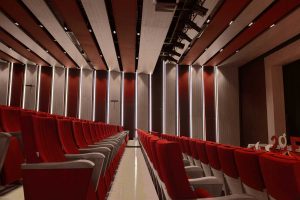
Project-Based Planning and Space Optimization
Seminar halls differ from large conference auditoriums in both scale and functionality. They typically host training sessions, workshops, corporate meetings, and academic lectures. Therefore, seating layouts must ensure clear sightlines, comfortable spacing, and efficient circulation.
During the production phase, manufacturers analyze architectural drawings, row spacing (usually 85–100 cm), seat width (approximately 50–55 cm), and aisle positioning. Proper planning ensures compliance with safety regulations while maximizing seating capacity. Floor-mounted systems are generally preferred for stability and long-term use.
Ergonomic Design for Extended Sessions
Seminars often involve long hours of focused participation. For this reason, ergonomic engineering plays a central role in chair production. High-resilience molded polyurethane foam maintains structural integrity over time and prevents sagging.
Backrests are typically designed with a 100–110° recline angle to support natural spinal alignment. Integrated lumbar contours and optimized seat depth reduce physical fatigue. In educational environments, comfort directly impacts attention span and overall productivity.
Material Selection for Coastal Conditions
Batumi’s humid and coastal climate requires durable and corrosion-resistant materials. Metal frames should be treated with electrostatic powder coating to prevent rust. For higher durability standards, galvanized steel structures may be used.
Side panels and armrests are commonly manufactured from MDF with laminate or natural veneer finishes. Upholstery fabrics must offer high abrasion resistance (30,000+ Martindale cycles) and easy maintenance. In high-traffic seminar halls, stain-resistant and moisture-resistant textiles provide additional operational advantages.
Functional Add-Ons for Educational Use
Seminar halls often require practical features that enhance usability. Popular options include:
-
Foldable or concealed writing tablets
-
Cup holders for corporate training rooms
-
Power outlet and USB integration
-
Anti-panic folding seat mechanisms for smooth movement
These features increase functionality without compromising seating density or aesthetic balance.
Acoustic Performance Considerations
Clear audio transmission is essential in seminar environments. Seat structures can incorporate perforated wooden back panels or acoustic materials that help absorb sound reflections. Proper acoustic integration improves speech intelligibility and minimizes echo, especially in mid-sized halls.
Safety Standards and Compliance
Public and institutional projects in Batumi frequently require compliance with European fire safety standards such as EN 1021-1/2. Fire-retardant foam and upholstery materials are essential for meeting regulatory requirements. Secure anchoring systems and reinforced mounting brackets ensure structural safety during intensive use.
Customization and Aesthetic Integration
Modern seminar halls in Batumi often aim for a clean, contemporary design. Manufacturers can provide custom color options, branded embroidery, and material combinations that align with architectural concepts. This level of customization strengthens institutional identity and enhances the visual quality of the space.
Seminar hall chair production for Batumi demands a combination of engineering precision, ergonomic expertise, and material durability. As the city continues to expand its educational and corporate infrastructure, investing in high-quality seminar seating becomes a strategic decision. Professionally manufactured chairs improve comfort, support long-term performance, and elevate the overall standard of seminar venues in Batumi.
