


Guide to Conference Room Seating for Architects
Wholesale Conference Hall Chair Manufacturing
Conference room seating plays a critical role in the functionality, comfort, and visual identity of professional meeting spaces. For architects, seating selection is not merely a furniture decision; it is an integral part of spatial planning, ergonomics, and user experience. This guide outlines the key factors architects should consider when specifying conference room seating for corporate, institutional, and public buildings. Guide to Conference Room Seating for Architects.
Understanding the Role of Seating in Conference Spaces
Conference rooms are designed to support communication, decision-making, and collaboration. Seating directly influences posture, concentration, and the duration for which users can remain comfortably engaged. Poorly selected seating can undermine even the most well-designed space, while appropriate seating enhances productivity and perceived quality.
Architects must consider room size, layout, and usage frequency when defining seating requirements. Executive boardrooms, training rooms, and multipurpose conference halls each demand different seating solutions.
Ergonomics and User Comfort
Ergonomics is a primary criterion in conference room seating. Chairs should provide proper lumbar support, adequate seat depth, and breathable materials to ensure comfort during extended meetings. Armrests, swivel mechanisms, and height adjustability may be essential in executive or high-use environments, while simpler fixed chairs may be suitable for short-duration meetings.
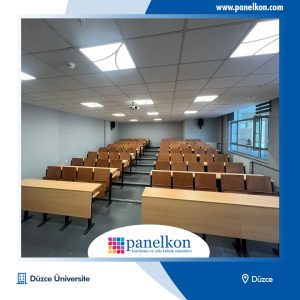
From an architectural perspective, ergonomic performance must be balanced with visual coherence and spatial efficiency.
Fixed vs. Flexible Seating Solutions
One of the key decisions architects face is whether to specify fixed or flexible seating systems. Fixed seating is often preferred in large conference halls and council chambers, where orderly layouts and integrated power or data connections are required. These systems provide durability and a clean, structured appearance.
Flexible or movable seating, on the other hand, supports adaptable layouts. Stackable or mobile conference chairs allow spaces to be reconfigured for different functions, maximizing usability in multipurpose environments.
Material Selection and Aesthetic Integration
Conference room seating should align with the overall interior concept. Upholstery materials, frame finishes, and color palettes must complement flooring, wall treatments, and lighting design. Common material options include fabric, leather, and mesh, each offering distinct tactile and acoustic properties.
In addition, material durability and ease of maintenance are crucial, particularly in high-traffic or shared spaces. Stain-resistant fabrics and scratch-resistant frames contribute to long-term performance.
Acoustic and Technical Considerations
Seating also affects room acoustics. Upholstered chairs can help absorb sound, reducing reverberation and improving speech clarity. In technologically advanced conference rooms, seating may need to accommodate power outlets, data ports, or writing tablets, which should be considered early in the design process.
For architects, conference room seating is a strategic design element that influences comfort, functionality, and aesthetics. By evaluating ergonomic requirements, seating flexibility, material choices, and technical integration, architects can specify seating solutions that support both user needs and architectural intent. Thoughtful seating design ultimately enhances the effectiveness and longevity of conference spaces.
